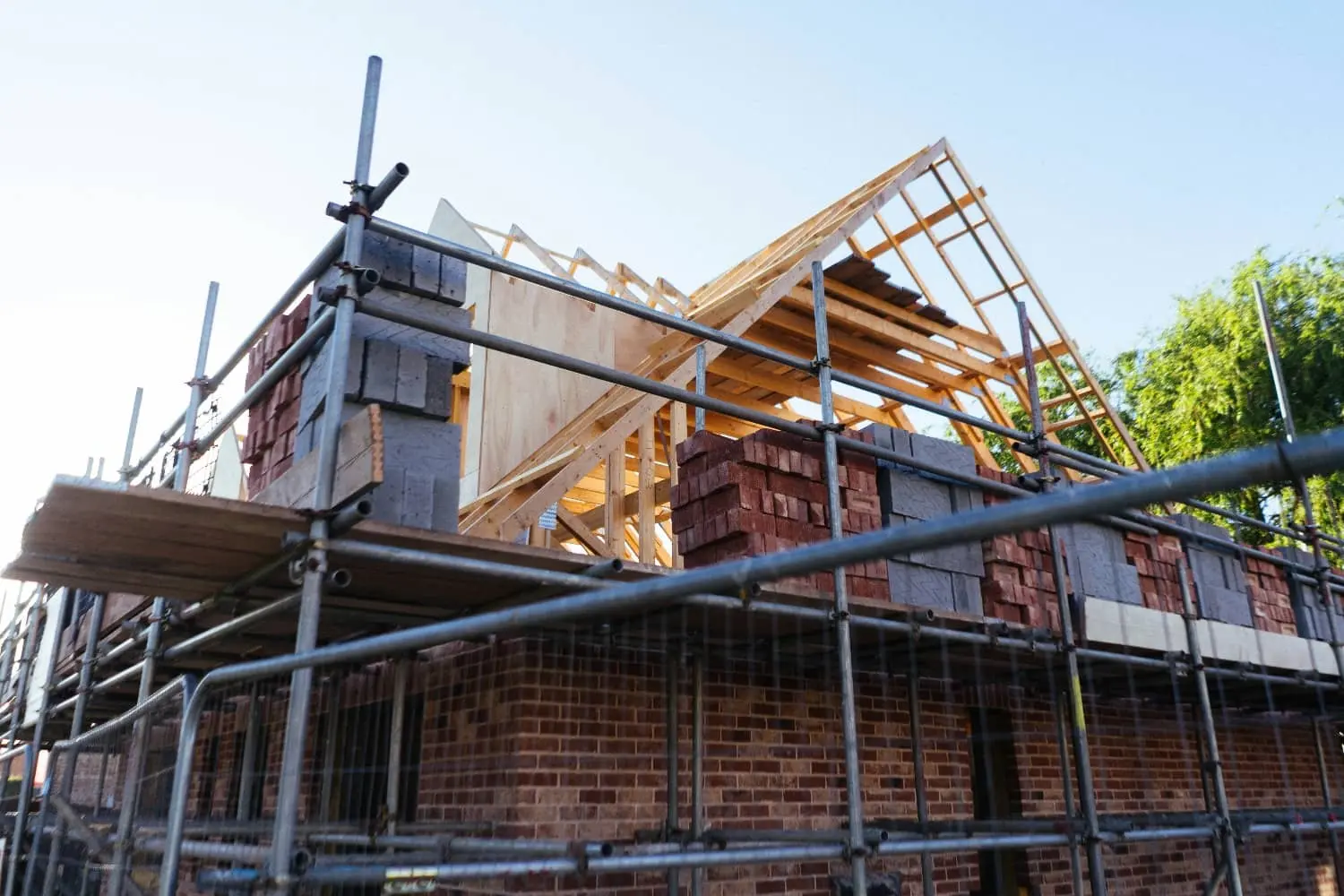
Contracting with a builder for work on your home?
For many homeowners, what should be an exciting experience can become costly and stressful thanks to rogue builders. Without proper checks and safeguards in place, it is all too easy to lose significant sums of money to unscrupulous contractors.
In this article, Lewis Cohen, a longstanding construction lawyer and consultant at Setfords, explains the risks to be aware of and shares practical steps you can take to protect yourself before hiring a builder.
The scale of the problem
Stories of homeowners being let down by rogue builders are, unfortunately, far from rare.
The topic was covered by BBC Radio 5 live on 20th May 2026, where an interview with a representative from the Federation of Master Builders discussed the extent of the issue, including how some customers have been scammed out of their savings.
The scenario is one that plays out on a daily basis: a homeowner engages a builder, pays money upfront, and then finds that the work is either left incomplete or finished to a poor standard. In the worst cases, the builder simply disappears.
The Federation of Master Builders has long campaigned for a registration scheme that would require all contractors, particularly those working in the residential sector, to be licensed. Their argument, which Lewis is in full agreement with, is straightforward: other professionals must be licensed to practise, so why not builders?
Indeed, many consumers do not realise that builders do not need to be licenced. By contrast, specialist trades such as plumbers and electricians must be qualified, and cannot self-certify safety certificates without the right qualifications.
What is ‘Phoenixing’?
When a building company goes “bust”, homeowners are often left with very little recourse. The situation is made worse by a practice known as “phoenixing”, referencing the mythical bird which is said to be reborn from the ashes of its previousincarnation.
In this case, phoenixing happens when a builder who has traded through a limited company that has gone into insolvency simply sets up a new company, sometimes with a remarkably similar name, website, and even the same business address, and carries on trading as if nothing has happened. There is currently very little in the regulatory framework to prevent this.
As Lewis explains:
‘On average, I advise 2 – 4 clients a month who turn to me in desperation. Regrettably, my advice is often that they have very limited prospects of recovering monies spent.’
Practical steps to protect yourself
Until a scheme is in place to ensure builders are licensed, homeowners need to take matters into their own hands. Lewis recommends the following steps before engaging any contractor:
Ask for references
Before working with them, ask for at least three references from other homeowners where the builder has carried out work of a similar scope and price. A reputable builder will have no hesitation in providing these.
Do your research
Check out the builder online using websites such as Checkatrade. You can also look at the Companies House website to investigate the company’s trading history, look at its previously filed company accounts to see if it is solvent, and check whether its directors have been involved with other building companies (and whether those companies are still trading).
If the builder is a sole trader and not a limited company, you must be especially careful to satisfy yourself that they are reputable and have a solid trading history, as there are fewer public records available.
Use a written contract
Always enter into a formal written contract before work begins. This does not need to be complicated. The Federation of Master Builder’s standard contract or a JCT Homeowners’ contract are both straightforward, easy to follow and provide a clear framework for the relationship between you and your builder.
Be careful with payment
How you structure your payments is one of the most important protections available to you.
A reputable builder is unlikely to ask for a large sum upfront. Most established contractors will have trade accounts with builders’ merchants and can invoice you for materials as work progresses. If the builder does ask for a deposit, this should be no more than 20% of the total value of the works.
Beyond the initial deposit, agree a payment schedule tied to progress or specific milestones. If you have difficulty in determining progress, engage a local quantity surveyor or building surveyor to advise – this will be money well spent.
Finally, ensure that you retain between 3-5% of all payments to allow a cushion to remedy any defects (half of this retention should be released at completion of the works and half withheld for one year).
Get more than one quote
It is recommended to get more than one estimate for the works before you choose a contractor. If one builder is considerably cheaper than any other estimates you receive, there is usually a reason for this.
Going with cheapest estimate can lead to substantial disputes down the line, whether that is the builder being unable to afford to finish the work for the agreed price, the use of unqualified labour, or the substitution of second-hand or damaged materials.
Clarify VAT and keep a paper trail
Finally, always make sure that it is clear whether the agreed sum includes or excludes VAT.
As a golden rule, always pay by bank transfer or similar; never cash. If you do pay cash, obtain a written receipt for each payment. Whichever method you use, payments should ideally be made against an invoice (which should show a VAT number if the contractor is VAT registered.
How can we help?
If you have any questions about the issues in this article, or anything else relating to construction law, please contact Lewis Cohen at lcohen@setfords.co.uk.
This article does not constitute legal advice. If in doubt, please consult a solicitor.

 View Profile
 Contact our team
 Location
 Business Hours