



























100s of conveyancers located nationwide
Clients rate us ‘Excellent’ on Trustpilot with 1000s of 5-star reviews.
Work with a highly-experienced lawyer from start to finish
The fastest-completing leading UK law firm.
Weybridge is one of Surrey’s most sought-after addresses, with riverside homes, generous plots, and tree-lined avenues attracting buyers looking for space and quality. That premium comes with its own conveyancing considerations, from Thames flood risk and high-value stamp duty calculations to conservation areas, private roads, and modern estate covenants. Understanding the local landscape before you buy is essential.
Reviewed by Setfords Published: 3rd July 2026, Last reviewed: 3rd July 2026, Read time: 5 minutes
Key takeaways
- Some Weybridge properties sit close to the Thames and can be vulnerable to flooding: environmental searches and insurance checks are important.
- Weybridge’s high property values frequently push purchases into higher stamp duty bands, early tax advice helps avoid surprises at completion.
- Parts of Weybridge are conservation areas and some properties are listed. Check that past works had the correct consents.
- Many homes sit on private roads with shared maintenance responsibilities. Review covenants and management arrangements carefully before you commit.
- Newer estates may carry specific planning restrictions, building covenants, or warranty considerations that need checking before exchange.
What makes buying in Weybridge different?
Weybridge has long been one of Surrey’s most sought-after addresses. Riverside homes, tree-lined avenues, and generous plots attract buyers looking for space and quality, and the area consistently commands among the highest prices in the county.
That premium comes with its own set of conveyancing considerations. High-value transactions, private roads, conservation restrictions, and Thames flood risk all feature more prominently here than in most markets, and getting the details right matters.
Is Thames flood risk a concern in Weybridge?
Some properties in Weybridge sit close to the Thames and can be vulnerable to flooding, particularly during periods of prolonged rainfall. Environmental searches and a review of flood insurance requirements before you complete are important to ensure you can secure appropriate cover and are fully aware of any risk.
Flood risk can also affect a lender’s willingness to offer a mortgage, so it’s worth raising early if the property is near the river or any low-lying ground.
How much stamp duty will I pay on a Weybridge property?
Weybridge homes frequently fall into higher stamp duty land tax (SDLT) bands. Properties worth over £925,000 attract SDLT at 10% on the value above that threshold, while properties worth over £1.5 million are taxed at 12% on the portion above that figure.
Early, tailored advice from your conveyancer ensures your budget reflects the full cost of your purchase. SDLT also becomes more complex for additional properties, company purchases, and non-UK residents, so it’s worth getting the position confirmed before you exchange.
What should I check on a listed building or conservation area property in Weybridge?
Parts of Weybridge are designated conservation areas, and some properties are listed. It’s important to confirm that any past renovations had the correct consent and that any changes you’re planning will comply with local regulations. A lack of historic consents can cause complications with mortgage lenders and on future resale.
Your conveyancer will check the position as part of their standard enquiries, but if you have specific plans for the property it’s worth raising these before you exchange rather than after.
What are private roads and why do they matter in Weybridge?
Many homes in Weybridge sit on private roads with shared maintenance responsibilities. Unlike adopted public roads, private roads are maintained by the residents or a management company, and ongoing costs can be significant depending on the condition of the road and the terms of any maintenance agreement.
Your conveyancer should review any covenants and management arrangements carefully so you understand your obligations and the potential costs involved before you commit.
What you can expect with Setfords
Ultimate flexibility: Our lawyers can tailor their schedules to meet your needs.
Nationwide coverage: with hundreds of consultant lawyers across the UK, we’ll connect you with the right expert.
Dedicated specialist legal partner: work directly with your chosen lawyer from start to finish.
Highly experienced: Setfords lawyers have an average of 20 years’ experience, so you can be assured you’re in safe hands.
Capacity-based allocation: our lawyers never take on more work than they can handle, so you get the focus and attention you deserve.

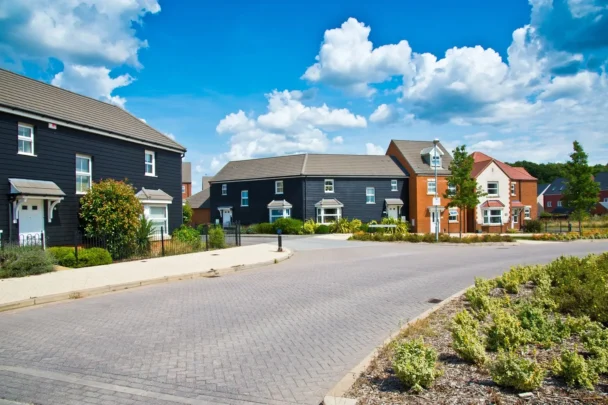
What should I check on a newer estate in Weybridge?
Newer estates in Weybridge may carry specific planning restrictions, building covenants, or warranty considerations. A thorough check of these before exchange ensures that any structural or legal issues are identified and resolved before you complete, rather than becoming your responsibility afterwards.
What can slow a Weybridge transaction down?
Flood risk searches: Properties near the Thames may need additional environmental searches and insurance checks before a lender will proceed.
SDLT complexity: High-value or non-standard purchases may require additional time to confirm the correct tax position before exchange.
Conservation area or listed building queries: Missing historic consents for past works can require indemnity insurance or retrospective applications, both of which take time.
Private road enquiries: Establishing the maintenance position and associated costs on a private road can prompt additional enquiries before exchange.
Estate covenant checks: Restrictive covenants or planning restrictions on newer developments can require clarification before a lender will confirm their offer.
What can help keep things on track?
Get SDLT advice early: Given Weybridge’s price levels, confirm your stamp duty position before exchange so there are no surprises on completion day.
Raise flood risk promptly: If the property is near the Thames or any low-lying ground, ask your conveyancer to flag the flood risk and insurance position as soon as possible.
Check conservation area status upfront: If you have plans to alter or extend, confirm what’s permitted in the area before you commit.
Review private road arrangements carefully: Ask your conveyancer to check the maintenance agreement and any associated costs before you exchange.
Instruct early: Appoint your conveyancer as soon as your offer is accepted so searches and enquiries can begin straight away.
When to speak to a solicitor
Weybridge’s local considerations are manageable with the right advice early on. It’s worth speaking to a solicitor if:
- You’ve had an offer accepted and need to instruct a conveyancer
- The property is near the Thames and you want flood risk checked early
- You want to confirm your stamp duty position before exchange
- You’re buying in a conservation area or a listed building
- The property sits on a private road and you want the maintenance position explained
- You’re buying on a newer estate and want covenants and warranties reviewed
Speak to our conveyancing team for a confidential, no-obligation conversation. Or get a fixed-fee conveyancing quote today.
FAQs
Is Weybridge at risk of flooding?
Some properties near the Thames can be at risk, particularly during periods of prolonged rainfall. An environmental search will establish whether a specific property falls within a flood risk zone, and your conveyancer can advise on insurance implications.
How much stamp duty will I pay on a Weybridge property?
SDLT is tiered, with higher rates applying above £925,000 (10%) and £1.5 million (12%) on the relevant portions. Given Weybridge’s price levels, your stamp duty bill can be significant. Your conveyancer can confirm the exact figure for your purchase early in the process.
What is a private road and what are my responsibilities?
A private road is maintained by residents or a management company rather than the local council. Owners on private roads typically contribute to maintenance costs. Your conveyancer will check the terms of any maintenance agreement and flag your obligations before exchange.
Are there conservation areas in Weybridge?
Yes. Parts of Weybridge are designated conservation areas with restrictions on external alterations. Some properties are also listed. Your conveyancer will confirm whether a specific property is affected as part of their standard enquiries.
What should I check on a new-build or modern estate in Weybridge?
Look for structural warranties, any restrictive covenants, and planning conditions attached to the development. Your conveyancer will review these as part of the transaction and flag anything that could affect your use of the property or its future resale value.
This article is general information about buying property in Weybridge, England and Wales and is not legal advice. The law, tax thresholds, and timescales can change, and every situation is different. Please speak to a qualified conveyancing solicitor about your own circumstances.
 Contact our team
 Location
 Business Hours