
























100s of conveyancers located nationwide
Clients rate us ‘Excellent’ on Trustpilot with 1000s of 5-star reviews.
Work with a highly-experienced lawyer from start to finish
The fastest-completing leading UK law firm.
Bradford offers some of the most competitively priced property in Yorkshire, with mill conversions, traditional terraces, and newer builds all competing for buyer attention. But affordable prices don’t mean straightforward conveyancing. From mining legacy and conservation area restrictions to selective licensing and issues common in older housing stock, there are local factors worth knowing about before you buy.
Reviewed by the Setfords conveyancing team Published: 3rd July 2026, Last reviewed: 3rd July June 2026, Read time: 5 minutes
Key takeaways
- Bradford’s mill conversions require careful checks on structural surveys, leasehold arrangements, and management company details before you commit.
- Older terraced properties are common and can carry issues such as subsidence, damp, or outdated wiring: a structural survey is strongly recommended.
- Some Bradford districts have a mining legacy that can affect ground stability, so specific searches may be recommended.
- Conservation areas including parts of Saltaire and Lister Park carry restrictions on external alterations to protect historic architecture.
- Selective licensing applies in certain Bradford neighbourhoods: if you’re buying to let, check whether the property falls within a designated zone.
What makes buying in Bradford different?
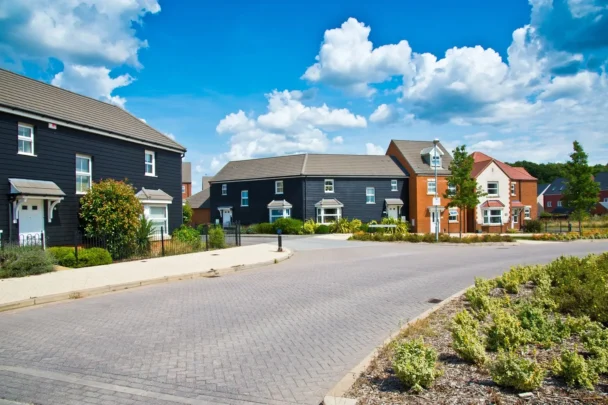
Bradford punches above its weight when it comes to property variety. Mill conversions with original features, rows of traditional terraces, and newer builds on the outskirts all compete for buyer attention, and prices tend to be among the most competitive in Yorkshire.
That affordability is one of Bradford’s biggest draws, but it doesn’t mean conveyancing is always straightforward. A few local factors are worth knowing about before you make your move.
What should I check when buying a mill conversion in Bradford?
Bradford has many former mills converted into residential apartments, and they can be attractive purchases with plenty of character. But they require careful due diligence. Your conveyancer should check the structural survey, leasehold arrangements, and management company details to ensure there are no unexpected complications before you exchange.
It’s also worth establishing whether any major works are planned or ongoing, as these can result in significant service charge demands for flat owners.
Are older terraces in Bradford a conveyancing risk?
Bradford has a large number of older terraced properties, which can carry issues such as subsidence, outdated wiring, or damp. A thorough survey, while not mandatory, is strongly recommended before completing a purchase. It can flag potential problems so you can budget accordingly or negotiate with the seller before you exchange.
This is particularly important in areas where older housing stock is concentrated, where maintenance issues are more likely to have built up over time.
Do I need a mining search in Bradford?
Some districts in Bradford have a mining legacy, which may affect ground stability. Your conveyancer may recommend specific searches to identify potential subsidence risks, particularly in older areas where past mining activity is more common.
Ordering this search early avoids the risk of findings surfacing close to exchange, when they’re harder to resolve without delaying the transaction.
What are the conservation area restrictions in Bradford?
Bradford has several conservation areas, including parts of Saltaire and Lister Park, where building alterations may be restricted to protect historic architecture. These rules can affect everything from window replacements to extensions, and past works carried out without the correct consents can create problems with lenders or on resale.
Your conveyancer will check whether the property falls within a conservation area as part of their standard enquiries. If you have renovation plans, it’s worth understanding the restrictions before you commit.
What you can expect with Setfords
Ultimate flexibility: Our lawyers can tailor their schedules to meet your needs.
Nationwide coverage: with hundreds of consultant lawyers across the UK, we’ll connect you with the right expert.
Dedicated specialist legal partner: work directly with your chosen lawyer from start to finish.
Highly experienced: Setfords lawyers have an average of 20 years’ experience, so you can be assured you’re in safe hands.
Capacity-based allocation: our lawyers never take on more work than they can handle, so you get the focus and attention you deserve.

What is selective licensing in Bradford and does it affect me?
Certain neighbourhoods in Bradford operate selective licensing schemes for rental properties, particularly HMOs. If you’re planning to buy a property to let, you’ll need to confirm whether the property falls within a designated zone and what your licensing obligations will be.
Your conveyancer can help establish whether the property is within a licensed area and advise on the steps required before or after completion.
What can slow a Bradford transaction down?
Mill conversion queries: Outstanding questions about the lease, management company, or planned major works on a converted mill can delay exchange while they’re resolved.
Survey findings on older terraces: Subsidence, damp, or wiring issues identified in a survey can lead to renegotiation or further investigation before exchange.
Mining search results: Historic mining activity flagged in a search can require additional reports before a mortgage offer is confirmed.
Conservation area queries: Missing consents for past alterations can require indemnity insurance or retrospective applications, both of which take time.
Selective licensing checks: Establishing whether a rental property requires a licence and arranging one adds a step that’s easy to overlook in the completion process.
What can help keep things on track?
Book a structural survey: Essential for older terraces and mill conversions alike, where issues may not be visible on a standard viewing.
Check the leasehold position on mill conversions: Ask your conveyancer to review the lease terms, service charge history, and management company details early in the transaction.
Order a mining search promptly: Your conveyancer should arrange this early for properties in areas with a known mining history.
Confirm conservation area status: If you’re buying in Saltaire, near Lister Park, or another historic area, check what alterations are permitted before you commit to any plans.
Check selective licensing early: If you’re buying to let, confirm whether the property falls within a licensed zone before completion rather than after.
When to speak to a solicitor
Bradford’s local quirks are manageable with the right advice early on. It’s worth speaking to a solicitor if:
- You’ve had an offer accepted and need to instruct a conveyancer
- You’re buying a mill conversion and want the leasehold arrangements checked
- You’re buying an older terrace and want structural or damp issues flagged early
- The property is in or near a former mining area
- You’re buying in a conservation area and want past consents verified
- You’re buying to let and need to check selective licensing obligations
Speak to our conveyancing team for a confidential, no-obligation conversation. Or get a fixed-fee conveyancing quote today.
FAQs
What should I check before buying a mill conversion in Bradford?
Focus on the structural survey, lease terms, service charge history, and management company details. It’s also worth asking whether any major works are planned, as these can result in significant costs for flat owners after completion.
Do I need a mining search in Bradford?
It’s often recommended given Bradford’s industrial heritage. Your conveyancer will advise on whether a search is appropriate for the specific property, and most lenders will require one if there’s any historic mining activity nearby.
Which Bradford areas are conservation areas?
Saltaire and parts of Lister Park are among Bradford’s conservation areas, though there are others across the district. Your conveyancer will check whether a specific property falls within a designated zone as part of their standard enquiries.
Does Bradford have selective licensing?
Yes, certain Bradford neighbourhoods operate selective licensing schemes, particularly for HMOs. If you’re buying to let, your conveyancer should confirm whether the property falls within a designated zone before completion.
Is a survey necessary when buying an older Bradford terrace?
It’s not legally required, but it’s strongly recommended. Older terraces can carry issues with subsidence, damp, or ageing services that aren’t visible on a viewing, and identifying these before exchange puts you in a much stronger position.
This article is general information about buying property in Bradford, England and Wales and is not legal advice. The law, licensing requirements, and timescales can change, and every situation is different. Please speak to a qualified conveyancing solicitor about your own circumstances.
 Contact our team
 Location
 Business Hours